


Welcome to Fleagad Pest Control
Established 2023
Your home deserves nothing but the best. This is why we started Fleagad Pest Control, to make sure you'll get the most reliable service from one of our dedicated experts. Learn more about what we offer below.
We Are Fleagad Pest Control
Excellence and professionalism are first when it comes to our Pest Control Service. We are constantly improving our services, staying up-to-date on all the latest industry advancements and bringing our knowledge to your doorstep. Since 2023, our goal has remained the same—to provide reliable services and make sure our clients know we are professionals they can trust.

Learn About Our Services
Why Choose Fleagad Pest Control
There are many benefits to seeking Fleagad Pest Control professional services when you are facing an infestation in your home. These benefits go beyond simply ridding your home and family of the nuisances of these pests and can actually help to keep you and your loved ones safe and healthy.
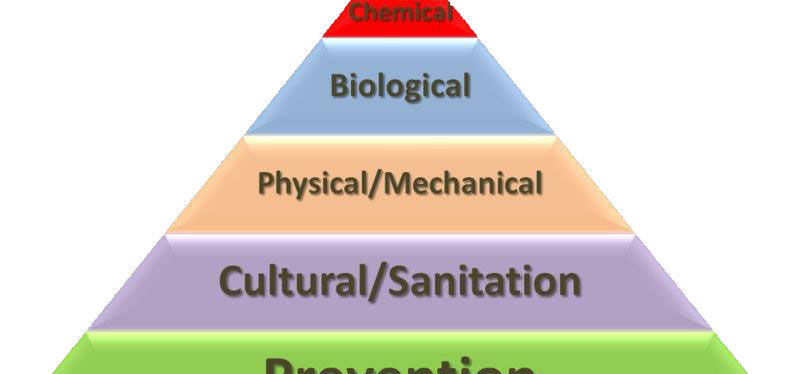
IPM Methods And Practices
When modern pesticides were first developed, they were used extensively. Pests susceptible to a pesticide were quickly killed, leaving resistant ones to breed and multiply. It became clear that pesticides alone would not solve all pest problems. Instead, overuse of pesticides caused the development of resistant pests. Scientists began to develop a new approach to pest control. This new approach was described as integrated pest management (IPM). Integrated refers to the fact that all control measures (mechanical, cultural, biological, and chemical) are considered and used as appropriate. An IPM plan allows some level of pests in the environment. Pests are much less likely to survive a program that uses many different methods of reducing their populations.
Integrated pest management was first suggested by entomologists because insects were the first group of pests to prove difficult to manage with chemicals alone. Early proponents of IPM suggested using five basic strategies to improve insect management:
Step 1. Monitor and scout insects to determine insect types and population levels.
Step 2. Identify pest and host accurately.
Step 3. Assess and consider economic or aesthetic injury thresholds. A threshold is the point at which action should be taken.
Step 4. Implement a treatment strategy using mechanical, cultural, biological, or chemical controls, or a combination of these strategies.
Step 5. Evaluate success of treatments.

Wildlife Control Services Coming soon...
